


The choice of vinyl records colors and effects is essential for personalizing any music release. The right visual design grabs attention and reflects the style of the artist. In this guide, we break down popular vinyl customization options and share tips on choosing the perfect look.
Types of vinyl record colors and effects
At Digi Pres, you can go classic with black vinyl or pick from over 20 vibrant colors. We offer both opaque and transparent shades. They look stunning alone or mixed into a custom tone for your project.
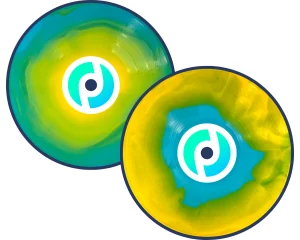
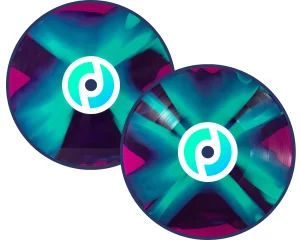
If you want something bolder, try special vinyl color and finish combinations. Effects like splatter, marble, or galaxy give your record a one-of-a-kind personality.
Not seeing your dream effect? No problem! Contact us, and we’ll prepare a custom blend just for you.

Black vinyl records
Black vinyl is timeless. It’s known for excellent sound and elegant appearance. What’s interesting is that PVC, the material used for records, is naturally milky white. Black color is added using carbon pigment. This not only changes the look but also strengthens the vinyl.
Even though vinyl records colors and effects are now more diverse than ever, black remains the most trusted choice among artists and collectors.
Colored vinyl records
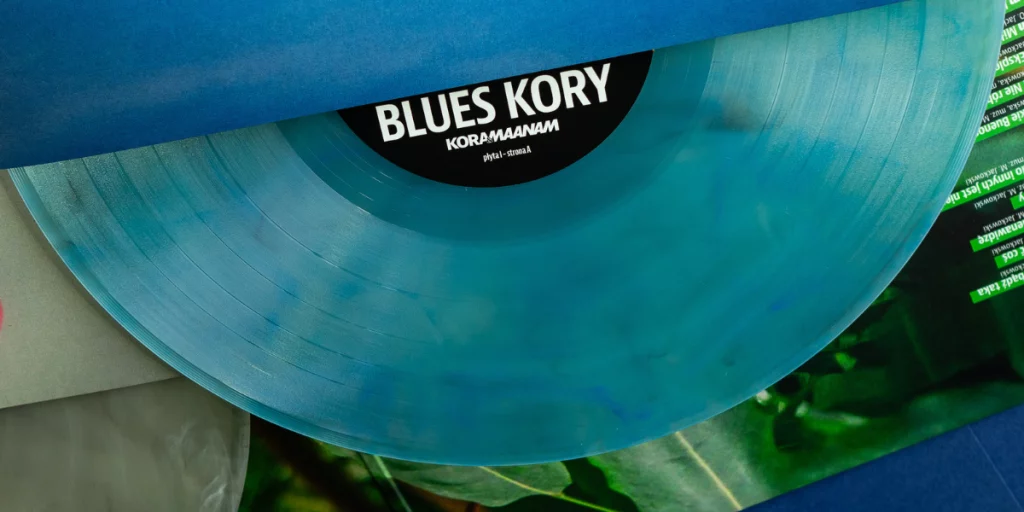
Colored vinyl—whether transparent or solid—is perfect for collectors and fans of unique editions. Effects like splatter or marble transform a record into a piece of visual art.
Still, it’s good to know that colored vinyl may have slightly more surface noise than black. Transparent variants tend to perform better than solid colors, especially metallics like gold and silver. Yet, many still choose colored vinyl for its standout look.
Gold and silver vinyl records
Looking to add a luxury touch? Gold and silver records are often used for limited runs or special events. Their metallic shine makes them true collector’s pieces.
These finishes use special pigments, which may increase surface noise. But the visual impact often outweighs this minor issue.


Glow-in-the-Dark Vinyl Records
Glow-in-the-dark vinyl records are a bold and fun option. Made from a green-tinted material, they emit a soft glow in the dark.
In daylight, they look clear with a slight tint. When the lights go out, the glow appears—without muddy color blending. Keep in mind, though, this effect has the highest surface noise. Still, it’s ideal for collectors who want something original.
Vinyl records with special effects
Splatter – The Splash Effect
- Description: The splatter effect involves adding splashes of colors to a base background. The background can be solid or transparent. The colorful “splashes” are arranged randomly, making each record unique.
- Best Practices:
- Contrasting colors work best.
- The base color should be lighter than the chosen splatter.
- Using a transparent base color can emphasize the splatter effect, adding lightness and depth.
- Avoid dark, solid base colors as the effect may be less visible.
- Limit the number of splatter colors (a maximum of three) to avoid chaotic patterns.



Marble Effect
- Description: The marble effect resembles the texture of marble, where various colors blend, creating irregular patterns and streaks.
- Best Practices:
- Choose a light base (opaque or transparent) and add one to three darker, solid colors for a pronounced effect.
- The greater the contrast between colors, the more visible the marble effect will be.
- Avoid combining two transparent colors, as the effect may be invisible.
- Use complementary colors, such as blue and white, or yellow with shades of red.
- Avoid combinations that may result in muddy, unattractive shades (e.g., green and red).



Galaxy Effect
- Description: The galaxy effect mimics the look of outer space—gradients and shadows with various small streaks or specks.
- Best Practices:
- Select two to three colors that complement each other.
- Opaque colors provide a more vivid and contrasting effect.
- Combining opaque and transparent colors creates an interesting blur effect, ideal for subtler designs.
- Avoid using only transparent colors, as the galaxy effect may become less visible or disappear entirely.



Split
- Description: The record is divided into two (or more) sections, each with a different color. Sections can be symmetrical or uneven.
- Best Practices:
- Choose two contrasting colors for a clear division.
- Both colors should come from the same palette (opaque or transparent) for the best results.



Color in Color
- Description: One color is in the center of the record, surrounded by another on the outside, creating a “record within a record” effect.
- Best Practices:
- Choose distinctly different colors for clear boundaries.


Side A / Side B
- Description: This effect usually involves two opaque colors distributed randomly across both sides of the record.
- Color Combinations:
- Recommended: Contrasting colors like red and black or yellow and blue create eye-catching designs. Complementary colors, such as blue and orange, offer harmonious visuals.
- Avoid: Too similar shades or excessive use of colors can result in visually unappealing chaos.

Sound quality vs. visuals
Your choice of vinyl records colors and effects can affect sound. Glow-in-the-dark and metallic records often have more surface noise. Splatter effects might add slight crackles where colors blend. These are minor differences, but it’s worth considering if sound quality is critical.
Personalization and uniqueness
Many vinyl customization options like splatter or marble are handcrafted, so no two records are ever the same. That uniqueness is a huge draw for collectors and makes every release more personal.
How to Choose the Right Vinyl Aesthetic?
- Consider consistency with the album cover and visual identity.
- Opt for contrasts to make patterns more vivid.
- Match aesthetics with your target audience.
- Balance aesthetics and sound quality.
Summary
Choosing the right vinyl records colors and effects isn’t just about visuals—it’s part of the music’s identity. Whether you’re going for elegance or creativity, the right design turns a record into a collectible piece of art. For best results, talk to your pressing plant and fine-tune every detail.